Do I Need Braces? 8 Types of Teeth to Check (2026)
Do teeth like mine really need braces?
The problems that most often bring people to an orthodontist are:
- Crowded, crooked teeth
- Protruding teeth (overjet)
- Spacing (gaps between teeth)
- Underbite (lower teeth in front of the upper teeth)
- Not being able to chew food properly
- Or even: “My smile just doesn't look right and I don't know why. Doctor, could you take a look?”
Braces have been with us for a long time, because we all care about looking good (right? haha)
Let's do a little "self-check" to see whether you should get braces.
Which kinds of teeth should be treated with braces, and why?
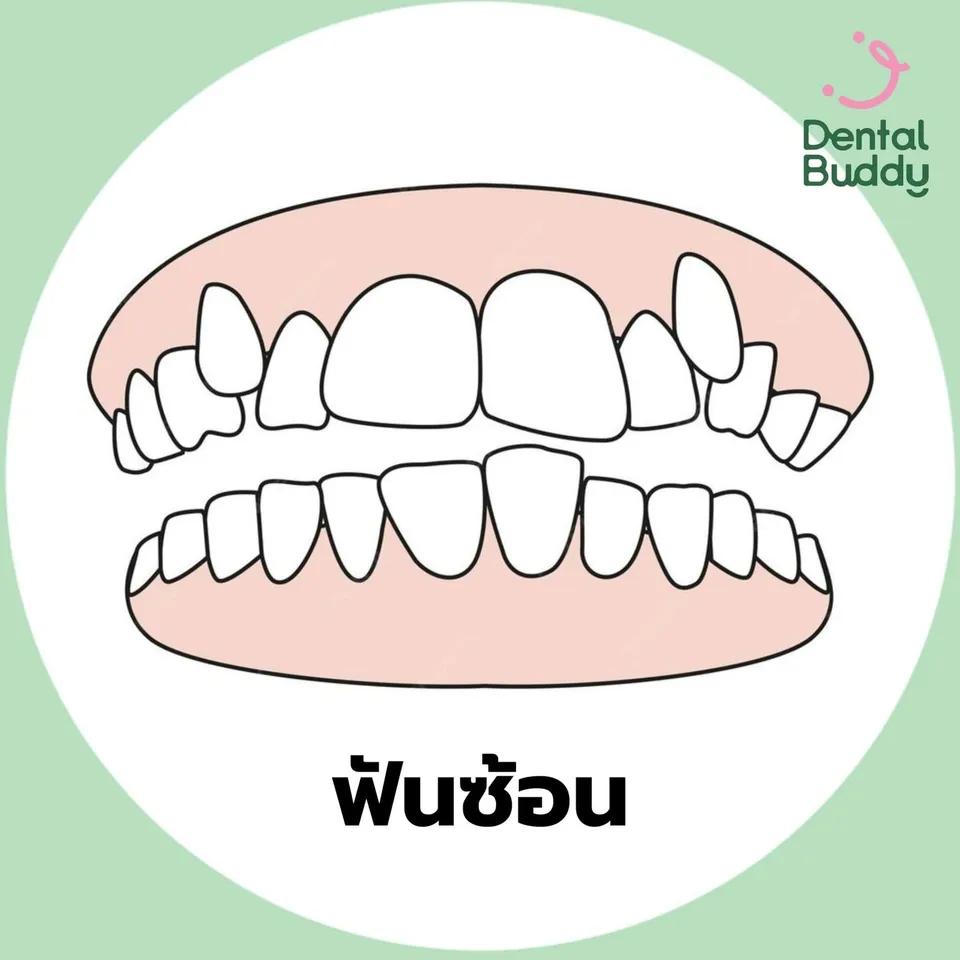
1. Crowding (crooked, overlapping teeth)
Braces are recommended because heavily overlapping teeth are hard, sometimes very hard, to clean. The result is tooth decay, root canal treatment or, in the end, an extraction. Orthodontic treatment creates space where the teeth overlap so they can unravel, line up better and become easier to clean, which benefits the patient's own dental care in the long run.
2. Protruding teeth (overjet)
Braces are recommended because heavily overlapping teeth are hard, sometimes very hard, to clean. The result is tooth decay, root canal treatment or, in the end, an extraction. Orthodontic treatment creates space where the teeth overlap so they can unravel, line up better and become easier to clean, which benefits the patient's own dental care in the long run.
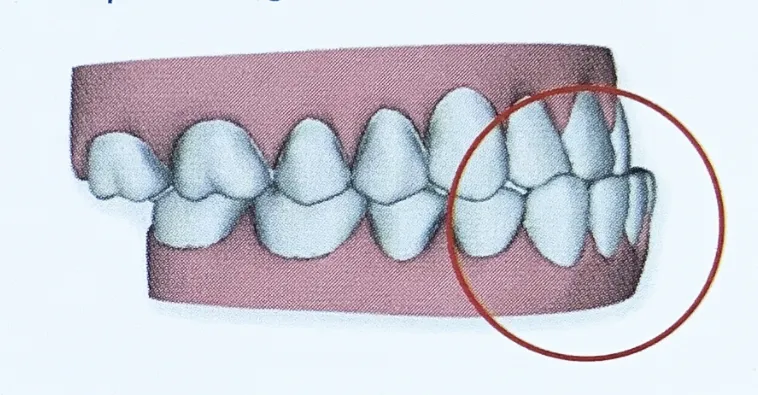
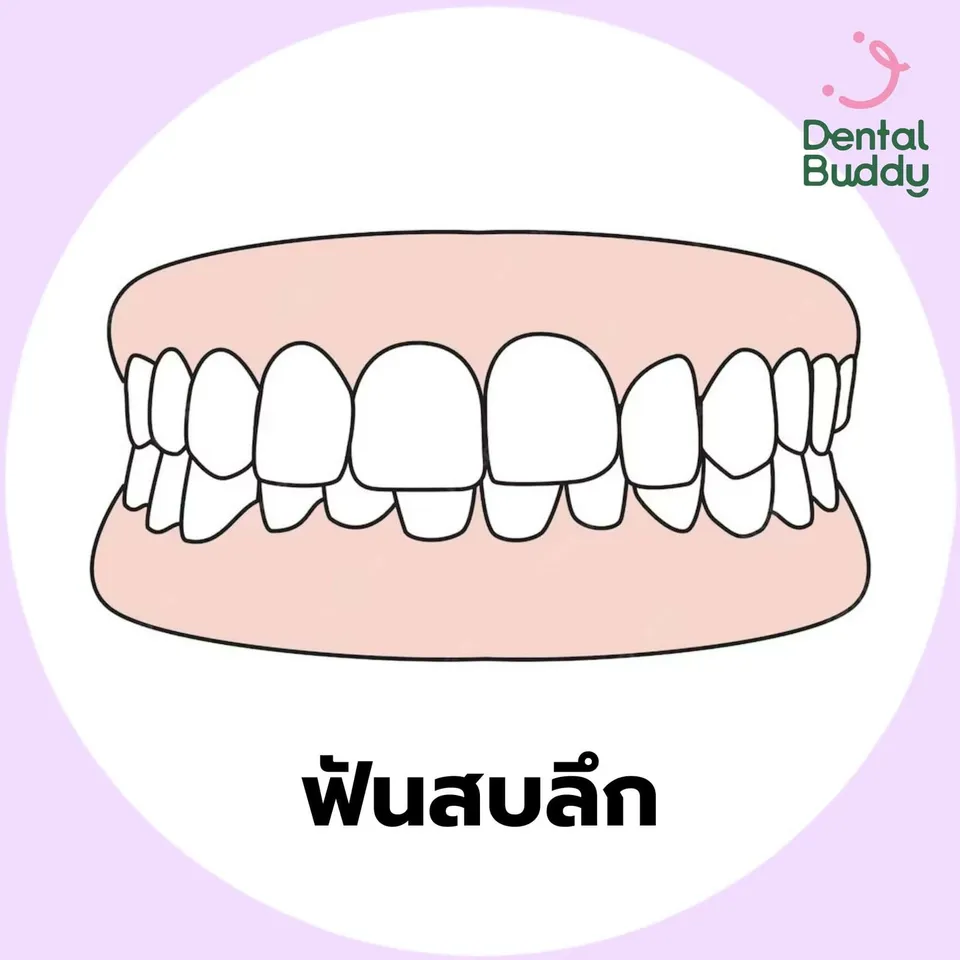
3. Deep bite
A deep bite can have many causes. Once it develops, it can lead to problems such as the lower front teeth biting into the gum behind the upper teeth, causing sore gums or, in the future, loose upper front teeth. It may also cause clicking or pain in front of the ear, where the jaw joint is. Teeth like this should therefore be moved into the correct position to reduce these problems in the future.
“Orthodontics”, or braces treatment, is a dental specialty that was separated out to focus on the growth of the head and face, so that the dentist can diagnose and predict facial growth while arranging the teeth on the jaws so that everything is in balance.
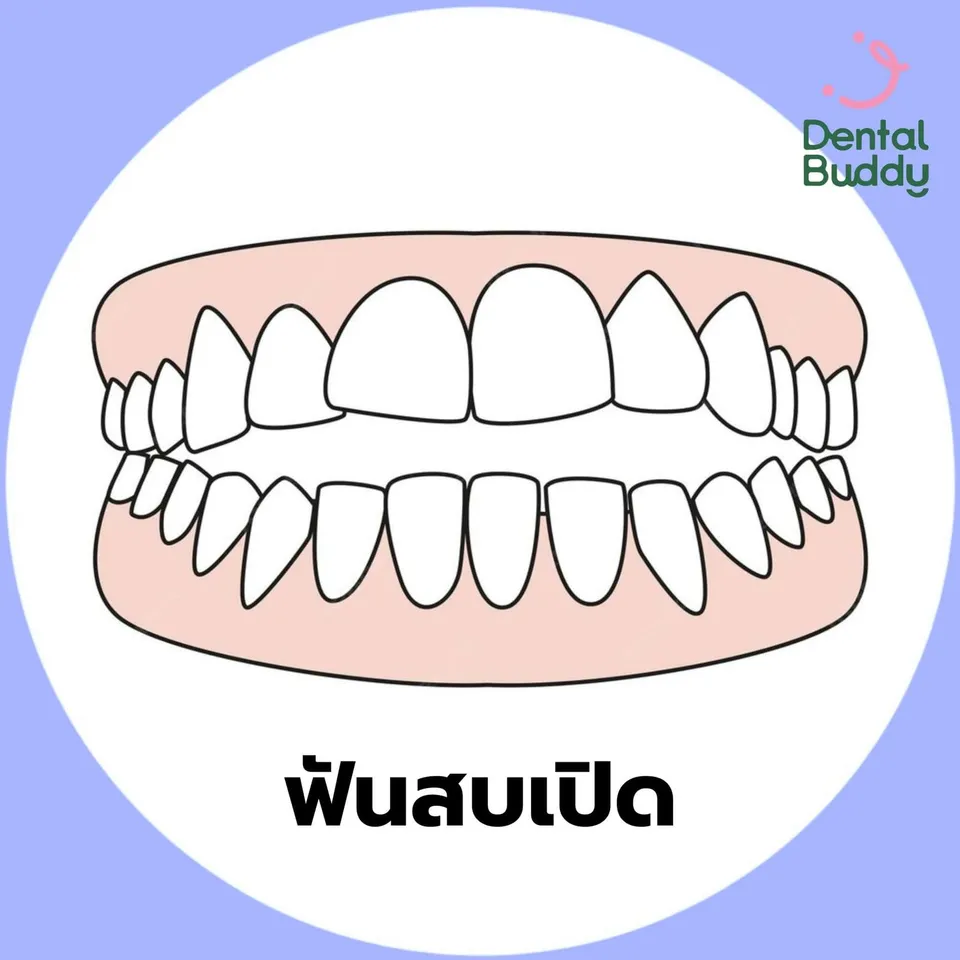
4. Open bite
This is the kind of bite where you cannot bite through a noodle with your front teeth. It affects daily life: chewing, pronunciation and the look of your smile. Some people say their smile looks as if their mouth is always open, and they cannot smile and show a neat row of teeth. An open bite also has many possible causes, such as thumb sucking, bottle feeding, mouth breathing or genetics. For orthodontic treatment, the cause has to be identified, and whether mini-screws are also needed to correct it depends on the dentist's diagnosis.
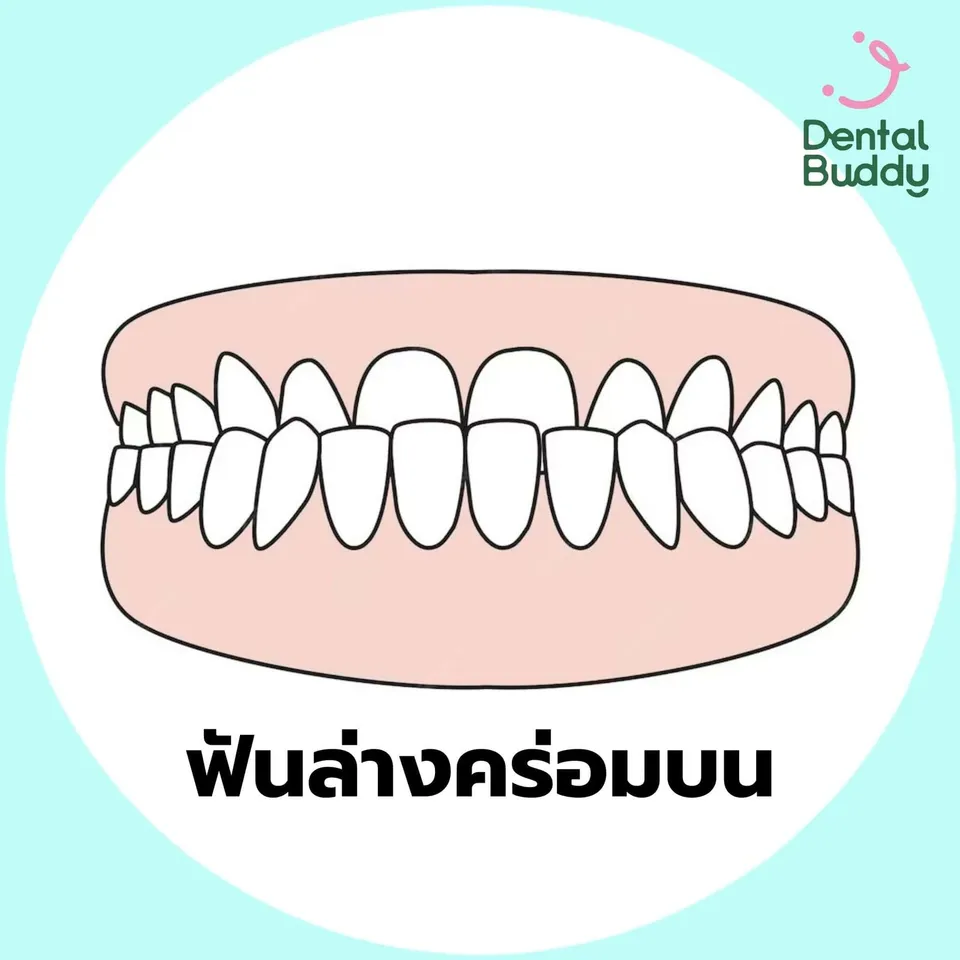
5. Underbite (lower teeth in front of the upper teeth)
This is one of the harder problems to correct, because it must be diagnosed correctly: is the cause in the teeth or in the jaws? Only then can it be treated according to its cause. If the problem comes from the teeth, braces alone can bring the bite back to normal. But if the problem is a lower jaw that is larger than the upper jaw, braces alone can lead to complications such as gum recession, roots pushed out of the bone, or lower teeth tipped too far inward. These points need to be considered carefully, and the treatment for a large lower jaw is braces combined with surgery.
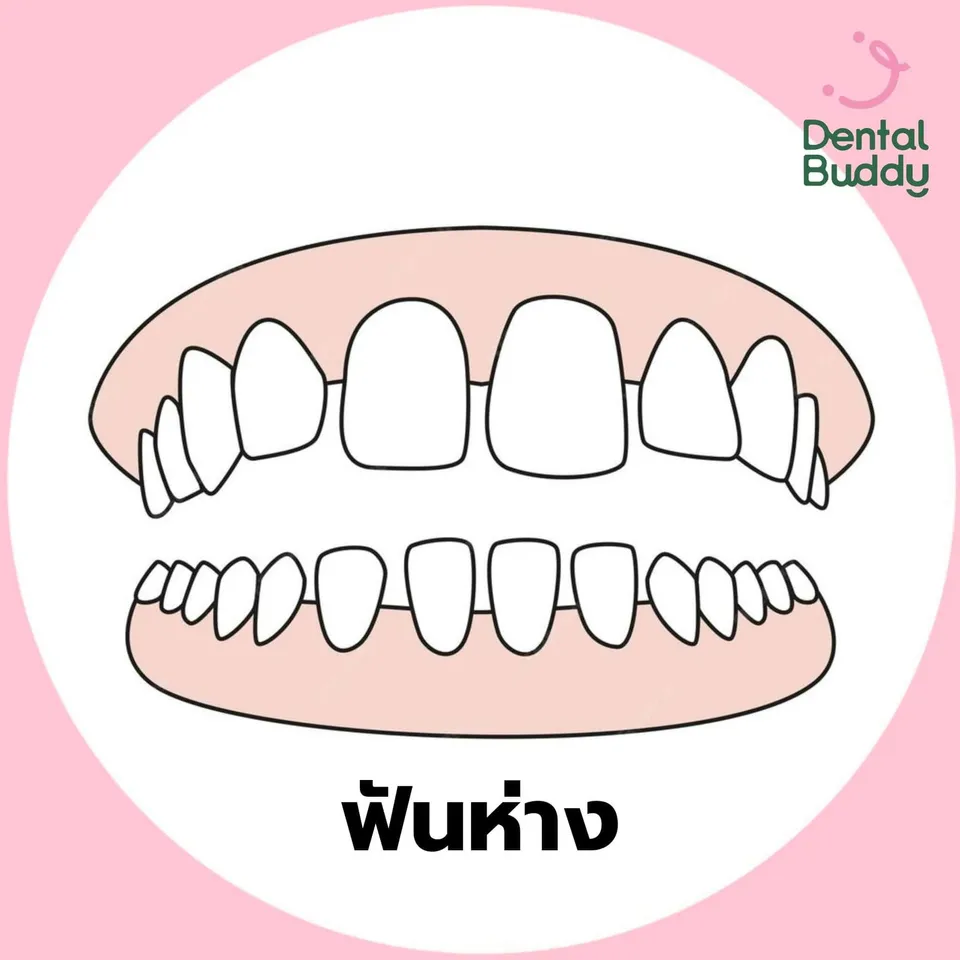
6. Spacing
Spacing is another type of bite that has many possible causes and affects daily life, such as pronunciation and appearance. There are several ways to treat gaps between teeth, from closing the gap with fillings and veneers to braces that close the space. Either way, please discuss the details, pros and cons with your dentist first.
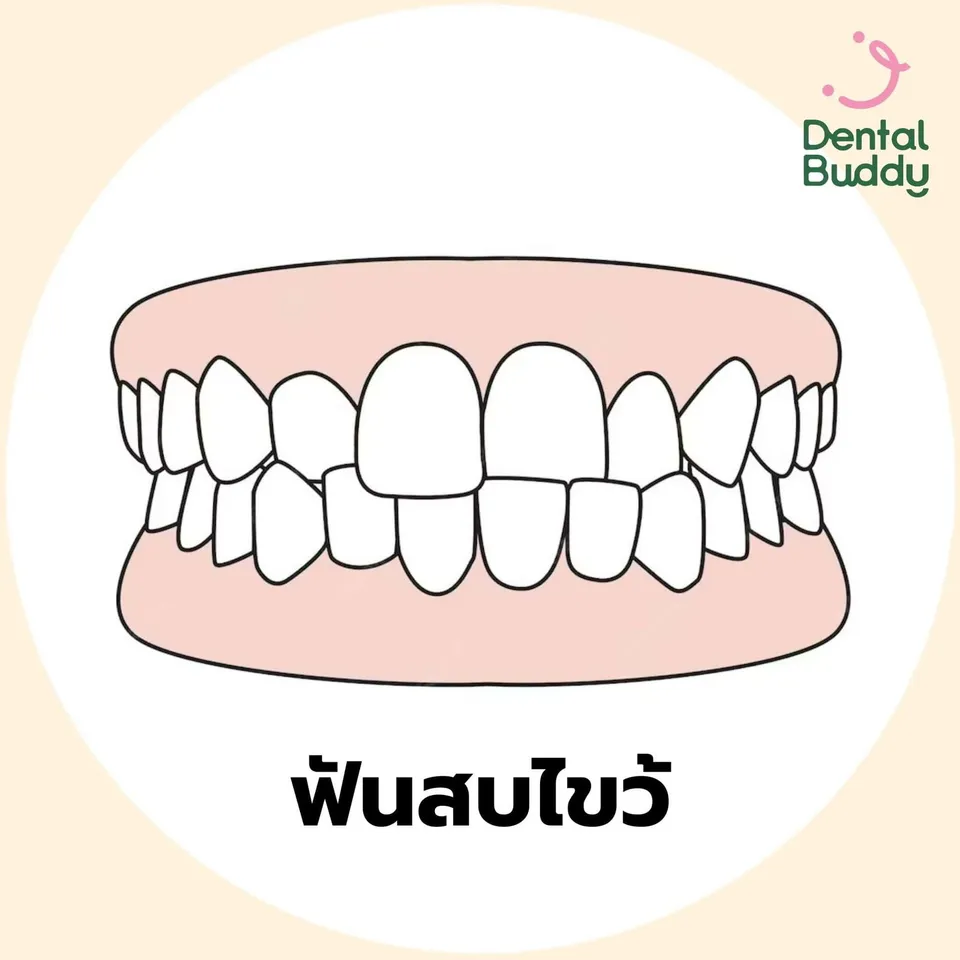
7. Crossbite
This is another problem where only those who have it know how miserable it really is. It is most often found at the back molars, where the upper teeth cross over the lower teeth, so the upper teeth rub against the cheek and brushing becomes very difficult. If left for a long time, the lower teeth will bite up into the gum of the upper teeth in that area, and when you eat, pieces of food hit the upper gum, so it hurts with every meal. It is a problem that can be fixed, so come and talk to our orthodontists.
8. Jaw discrepancies*
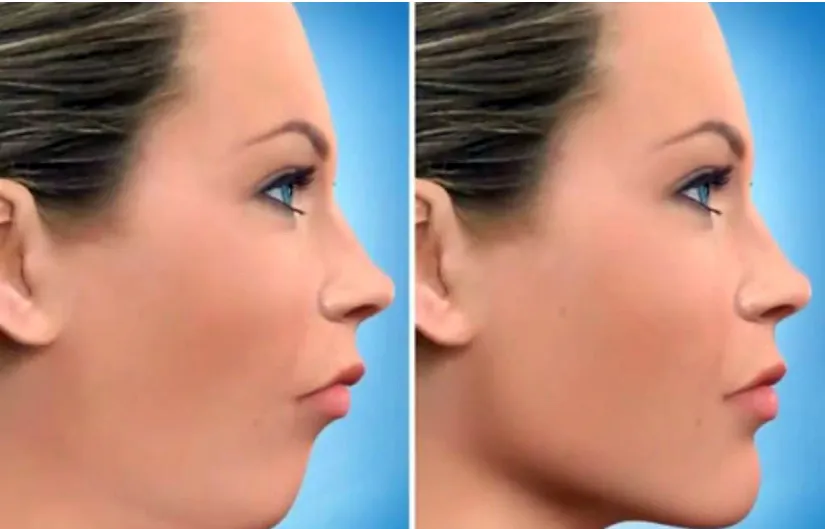
This is another condition: when the jaws are badly out of balance, whether the upper or lower jaw is too large or too small, causing very protruding upper teeth, a protruding chin or a chin that is too small, braces alone cannot camouflage the problem. In that case, jaw surgery to move the jaws into a suitable position, combined with braces to place the teeth correctly on the jaws, can produce a good bite.
Interested in a dental or braces consultation with us?
“At Dental Buddy Clinic, we believe that a beautiful smile does more than improve the look of your smile and face. It also brings out confidence from within, so you are ready for the opportunities ahead.”
Get in touch with us: